
Your Driver Says the Truck "Feels Off." Here’s Where to Start
Your Driver Says the Truck "Feels Off." Here’s Where to Start
(1).jpg)
A driver walks up to you and says the truck feels off. No warning light, no fault code, nothing obvious to point at. That kind of feedback puts you in a decision gap right away.
You can send the truck back out and hope it holds. You can pull it off the road without a clear reason. Either way, you’re making a call without enough information.
But that vague comment is still useful. If you treat it as a starting point, you can turn it into something actionable. The process begins with the driver, moves through what you can confirm in the yard, and ends with a clear call on whether it belongs in a bay.
Start with the Driver, Not the Truck

When something changes in how a truck drives, the driver is the only one who has felt it firsthand. That makes them your best source of information at this stage. The goal is to turn that feeling into detail you can work with.
Start with when it happens, because timing separates possibilities quickly. A problem at startup points you in a different direction than one that shows up at highway speed or under braking. Each condition narrows where you look next.
Then focus on where they feel it. A vibration in the steering wheel leads you one way. The same sensation through the seat or pedals leads you somewhere else. If the whole cab feels unstable, you’re dealing with something broader.
Speed and load add context. If the issue builds at higher speeds, that suggests a different set of components than something that shows up at low speed. If it changes when the truck is loaded, that gives you another layer to work from. Road conditions and temperature can also shape when the issue appears.
From there, look at how long it has been happening and what changed. A problem that started today often points to damage or failure. One that has built over time leans toward wear. New tires, recent service, or a different route can all introduce changes that line up with the complaint.
Write down what you get, even if it’s rough. Those details turn a vague report into something you can act on, and they give a technician a clear starting point if the truck needs to come in.
What Those Answers Usually Point To
Once the description has detail, you can start matching it to patterns that show up across trucks every day. This step doesn’t give you a final answer, but it does give you direction.
If the truck keeps bouncing or floating after a bump, look at the suspension first. Shocks, springs, or airbags are often the cause.
If it pulls to one side under braking, the brake system becomes the focus. Uneven wear, a sticking caliper, or a rotor issue can all create that kind of behavior.
A vibration that builds at highway speed but fades as you slow down often points toward tires, wheel balance, or the driveline. The speed dependency helps separate those issues from others.
If the steering feels loose or vague, you’re likely dealing with linkage, bushings, or alignment. That loss of response usually comes from wear or movement where there should be stability.
If the cab starts to rattle or flex over rough surfaces, shift your focus to the frame and mounting points. Crossmembers and body mounts are common sources, and some issues tie back to fabrication or flatbed work.
These connections narrow the field. They don’t replace a full diagnosis, and the same symptom can still trace back to more than one source.
What You Can Check in the Yard

With whatever direction you have in mind, a walkaround helps confirm what’s visible before you decide what to do next. You’re looking for physical signs that support what the driver reported.
Start with the tires. Uneven wear, cupping, or scalloping can point back to suspension or alignment issues, and those patterns often match what shows up at speed.
Then check for fluid where it shouldn’t be. Oil, coolant, hydraulic fluid, or brake fluid on the ground or on components can quickly turn a vague complaint into a clear issue.
Look at ride height next. If one side sits lower, or the truck doesn’t sit level, that can confirm a suspension or air system problem.
From there, focus on visible wear. Cracked springs, leaking shocks, worn bushings, or loose hardware give you something concrete to work from. Missed lubrication can accelerate that wear, which often shows up in areas tied to overlooked zerk fittings.
If you can safely see the brakes, check pad thickness and rotor condition. Uneven wear can support a complaint about pulling or inconsistent stopping.
Finally, check for anything loose or missing around the body and undercarriage. Fasteners and mounting points can create vibration or noise that feels more serious than it is.
A walkaround can confirm something obvious or give you confidence in your next step. It won’t catch internal wear, intermittent electrical issues, or driveline imbalance. When the issue sits beyond what you can see, that’s where a full inspection through a repair and maintenance shop becomes necessary.
When It's Time to Bring It In
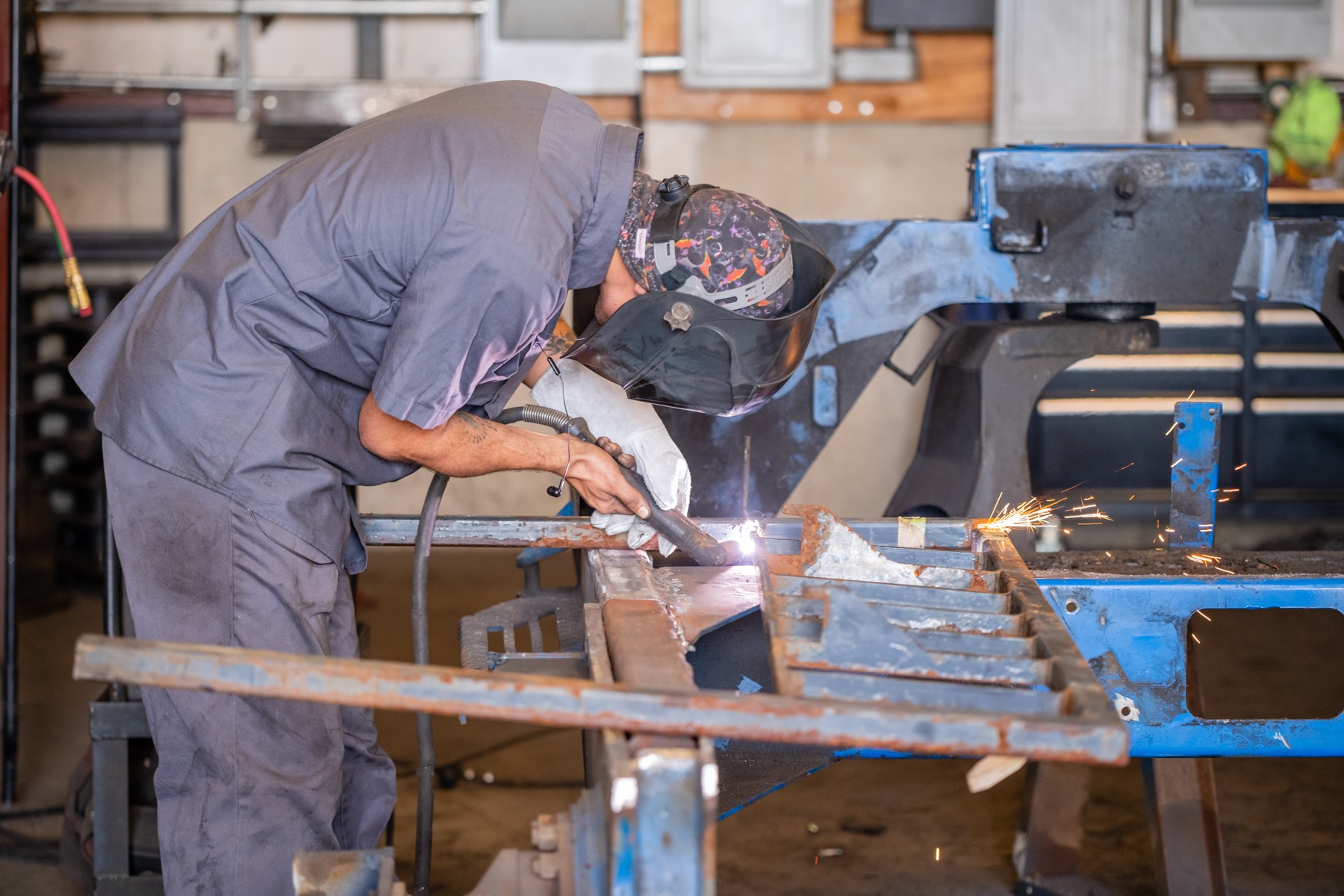
At a certain point, the information you have stops moving the decision forward. If the walkaround doesn’t reveal a cause, or the description points toward something internal, it’s time to bring the truck in.
You’ll usually hit that point when the symptom keeps getting worse. It can also show up when the complaint comes back or points to systems you can’t check in the yard.
In a diagnostic bay, the process builds on what you’ve already gathered. It starts with a conversation that focuses on when and how the issue shows up. From there, the truck goes through a system scan, a physical inspection, and when possible, a road test that matches the driver’s conditions.
That road test matters because it connects the complaint to real operating conditions. Without it, some issues don’t fully show themselves.
Waiting past this point adds cost. Downtime can run between $448 and $760 per day, and small issues have a way of turning into larger repairs when they sit.
Get Answers Faster with Beamer's Piggyback
Once you’ve worked through the process, you know whether the truck belongs back on the road or in a bay. When it’s time to bring it in, the next step is working with a team that can turn a vague complaint into a clear answer.
At Beamer’s Piggyback, we work through that process every day. We take what your driver felt, what you observed, and what the truck shows us, then track it back to the source.
If a truck in your fleet feels off, it’s time to get a clear answer. Schedule your repair here: https://www.beamerspb.com/contact-and-directions/.