
Top 5 Common Forklift Safety Violations (And What to Do About Them)
Top 5 Common Forklift Safety Violations (And What to Do About Them)
.jpg)
Your operators are trained, your inspection logs are signed, and your equipment runs every day. Then an OSHA inspector shows up and finds gaps you didn't even know existed. You thought everything was in order, but in a matter of one inspection, you're ending the day with a hefty fine and orders to make changes. Where did it all go wrong? And more importantly, could this have been avoided?
OSHA forklift violations don't just happen to careless operations. Forklift violations rank in the top 10 most cited OSHA standards nearly every year. Many happen to operations that believed their training, equipment, and procedures were solid. And the stakes are high: forklifts are involved in an estimated 75 to 100 worker deaths each year, along with tens of thousands of injuries. Stopping problems before they start is critical.
This blog covers the 5 most common forklift safety violations and how to address them.
#1: Inadequate Operator Training or Certification
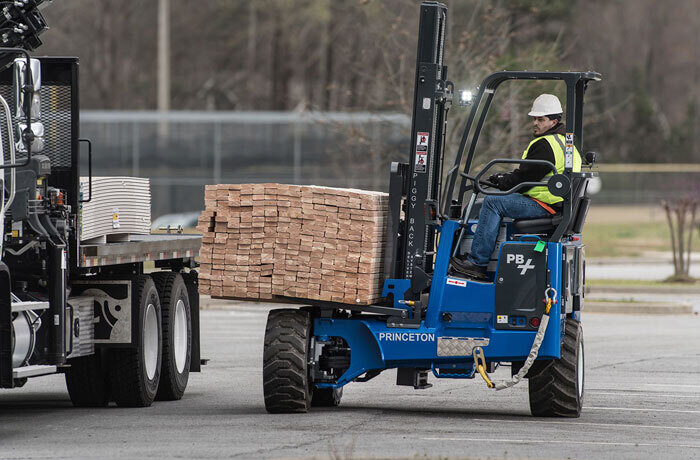
OSHA standard 1910.178(l)(6) requires operators to be trained before operating a forklift. But you might not realize you're also in violation if the training records are missing, or if they were trained on the wrong equipment.
The violation shows up in different ways. An operator starts work on Monday, but the training certificate is dated Wednesday. Training covers warehouse forklifts, but your crew runs truck-mounted piggybacks on outdoor jobsites. Or the training happened, but the paperwork never made it into the file.
Why It Happens
- Busy seasons hit, and operators get hired fast. Training gets scheduled for later, but the documentation doesn't follow
- Companies assume that experience on other equipment counts as training
- Operators get trained on one type of forklift but use a different type during daily operations.
How to Fix It
- Match training to the actual equipment and conditions
- Document every detail: operator name, completion date, trainer signature, and specific equipment covered
- File records immediately and keep them for the full length of employment
- Don't let anyone operate equipment until training is complete and documented
#2: Safe Operation Not Enforced
Under OSHA 1910.178(l)(1), employers must make sure operators follow safe practices.
This violation covers any unsafe behavior. Speeding is one. Improper load handling is another. Traveling with raised forks and bypassing safety features also count.
The raised fork problem causes the most serious accidents. When forks stay up while the forklift moves, the weight shifts higher and forward. Tip-overs cause roughly 25% of all forklift accidents and are the leading cause of forklift deaths. Operators raise forks to see over tall loads or because they're rushing between tasks.
Why It Happens
- Schedules get tight and shortcuts happen
- Supervisors can't watch every shift, and unsafe habits develop
- Equipment develops problems like worn steering or weak brakes that make operators push harder
- Visibility is poor, so operators raise forks instead of fixing the real problem
How to Fix It
- Make expectations clear and address unsafe operation immediately
- Back up supervisors when they stop work for safety reasons
- Watch operators during actual work, not just during scheduled checks
- Fix equipment problems fast so operators aren't compensating in risky ways
- Train specifically on balance and what happens when forks stay raised
- Enforce the rule: forks stay at ground level when moving
#3: Daily Inspections Not Conducted
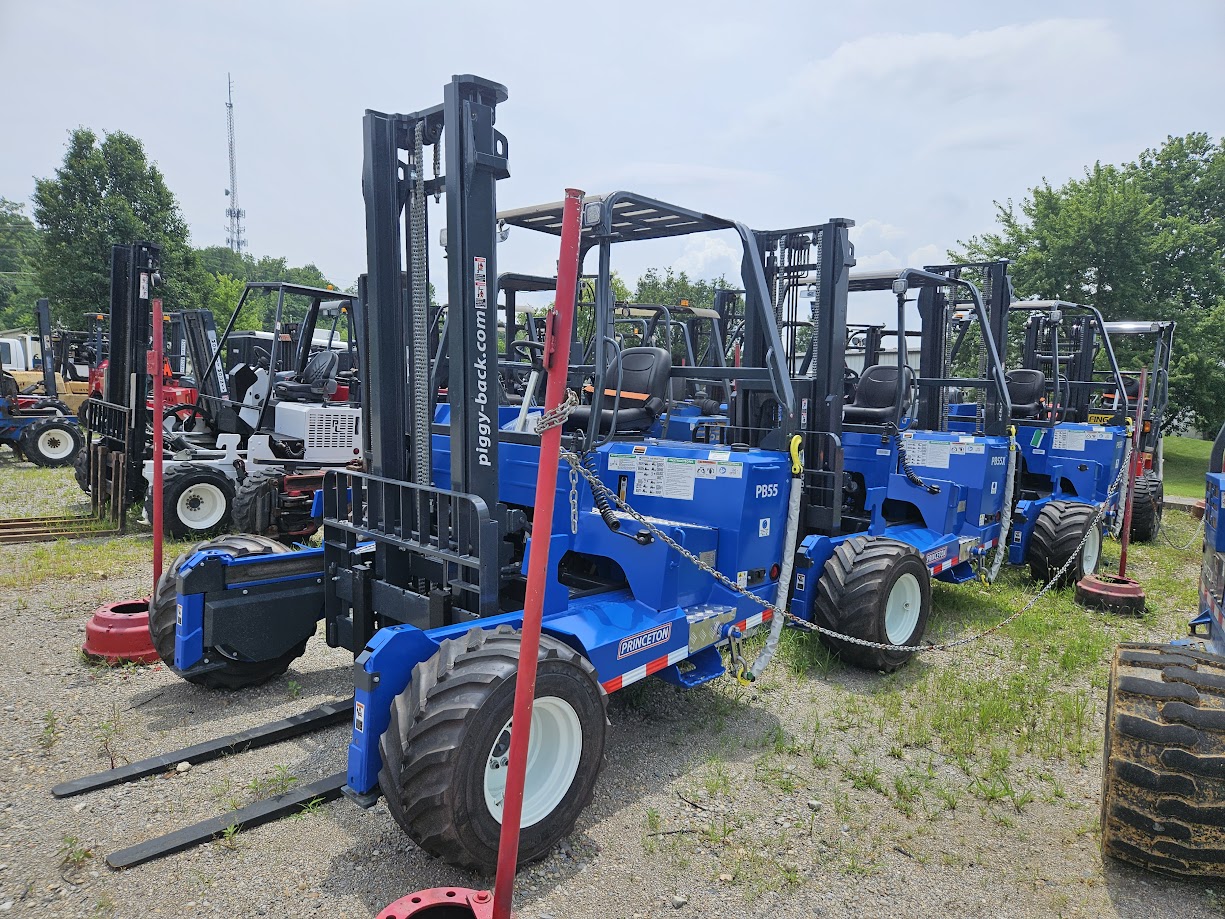
OSHA 1910.178(q)(7) requires a pre-shift inspection every time a forklift gets used. Inspections must check brakes, steering, and controls. They also check the mast, tires, horn, lights, and safety features. Skipping the inspection is a violation. So is running the inspection but not writing it down.
It’s easy to let the pre-shift inspection slide. Inspections start to feel like busy work. The checklist gets signed without anyone actually checking anything. Or the form gets tucked into a pocket, gets wet, lost, or inadvertently thrown away, never making it back to the office. Plus, the forklift ran fine yesterday, so it probably runs fine today, right?
Why It Happens
- Inspections get treated like just another thing to do instead of actual safety checks
- Work is waiting, and operators skip the walkaround to save two minutes
- Forms disappear on jobsites
- Multiple operators use the same forklift and each assumes someone else checked it
How to Fix It
- Build checklists for your specific equipment
- Make inspections fast and focused: ten items, two minutes
- Require the operator's signature and add random supervisor spot-checks
- Use laminated cards or waterproof digital tools
- Make inspection part of the startup routine
- OSHA's inspection checklist shows what needs to be covered
#4: Defective Equipment Not Removed from Service
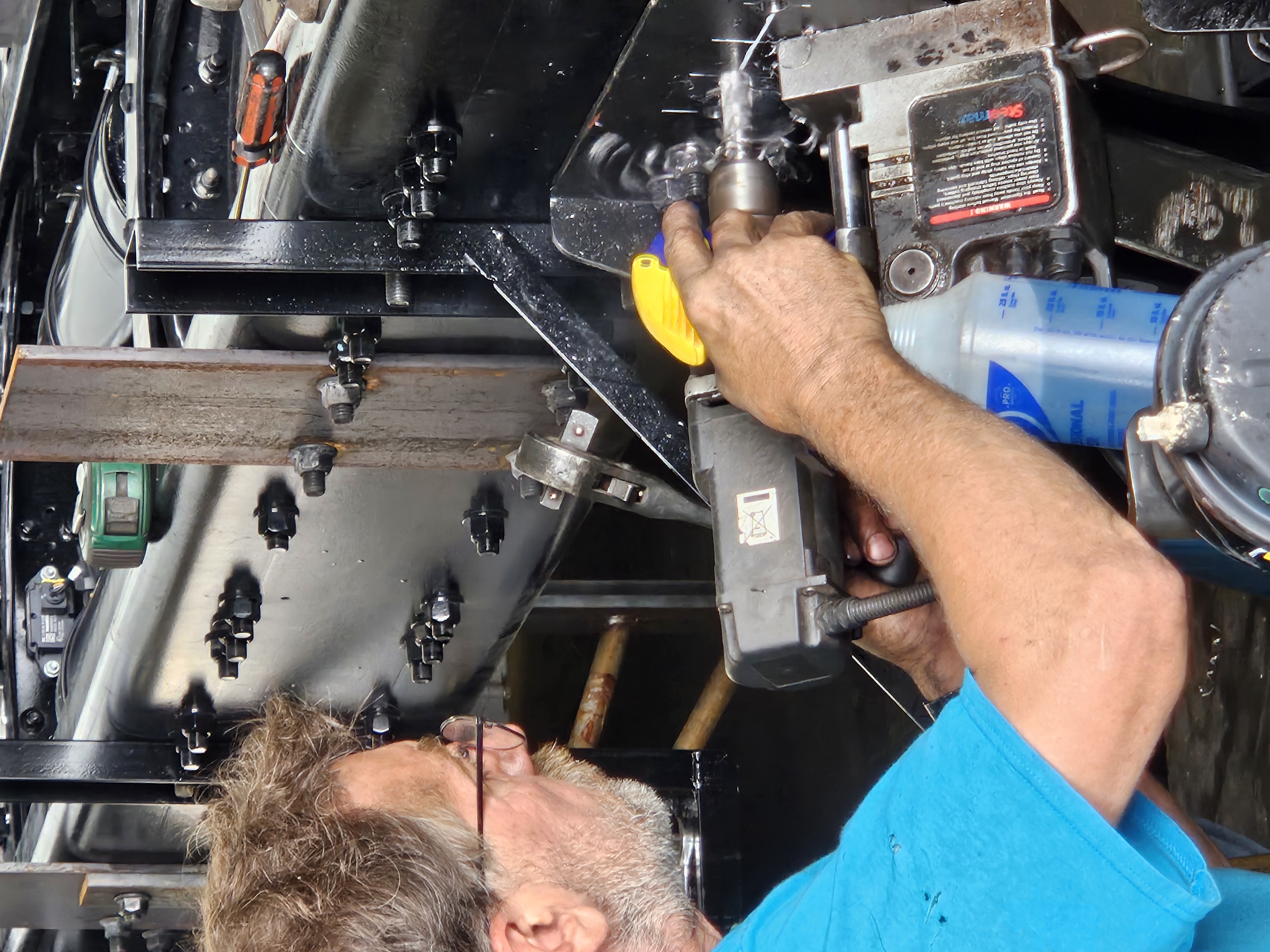
OSHA 1910.178(p)(1) says that forklifts with safety problems must be taken out of use until they're fixed. Brake failure, steering that pulls, hydraulic leaks, damaged mast components, or worn tires all count. Using equipment with known defects increases the risk of accidents.
Taking equipment offline creates problems. You're in the middle of peak season and every forklift is running full time. Pulling one unit means missing deadlines. So minor problems get tolerated. The brakes still work, just not as well. The steering pulls a little, but operators adjust. Then the minor problem becomes a major failure.
Why It Happens
- Peak work means every piece of equipment matters
- Small defects seem manageable (until they're not)
- Operators assume maintenance already knows, so they don't report it
- There's no backup forklift available
How to Fix It
- Create a tag-out process that's simple to use
- Protect the people who report problems
- Keep backup equipment on standby or maintain rental contacts
- Schedule regular maintenance to catch problems early
- Beamer's field service offers fast turnaround so defective units don't stay in rotation
#5: Documentation and Recordkeeping Failures
OSHA 1910.178(l) requires documentation of training. When training records, inspection logs, or maintenance notes can't be found, citations happen even if the actual work was done. The records prove compliance.
This violation catches people by surprise because the work actually happened. Operators were trained. Equipment was inspected. But when the inspector asks for proof, the files are incomplete, or nobody knows where the records are stored.
Why It Happens
- Paper records get lost, soaked, torn, or thrown out
- There's no single location for all forklift-related paperwork
- Documentation feels like extra work separate from getting the job done
- When supervisors leave, their filing systems leave with them
[H3] How to Fix It
- Pick one central location for all forklift records
- Assign one specific person to manage the system
- Build documentation into the daily workflow
- Know how long to keep records: training for employment length, inspections for equipment life
- Audit the files once a year to catch missing documents
Keep Your Fleet Safe and Compliant with Beamer's Piggyback
You might notice we're not compliance consultants, and you'd be right. We're the people you call when things need to be fixed. That means we're also the ones who catch the problems that lead to OSHA violations: worn brakes that should have been tagged out, steering issues that developed over time, equipment defects that stayed in service too long.
The truth is, good maintenance prevents equipment-related violations. When equipment is serviced regularly, inspections catch real problems before they start. When repairs happen fast, defective units don't stay in rotation. When maintenance isn't delayed, small issues don't turn into safety hazards.
When it comes to OSHA compliance, routine maintenance is your secret weapon.
We offer regular equipment checks, fast repair turnaround, and field service that works around your schedule.
Contact Beamer's to talk about your fleet's service and maintenance needs.