
How to Know When Your Piggyback's Mounting System Needs Service
How to Know When Your Piggyback's Mounting System Needs Service
.jpg)
Every time your truck hits the road with a piggyback forklift on the back, the mounting system takes the hit. Weight, road vibration, and load stress all run through the brackets, bolts, and weld points. That wear doesn't show up all at once. It builds, and it leaves marks if you know where to look.
The problem is that most of those marks are easy to miss during a standard walkaround. By the time something feels wrong behind the wheel, the wear has usually been developing for a while.
This blog covers the signs that your mounting system needs attention, what's at stake if you wait, and when it's time to call professional.
Visual Signs Your Mounting System Is Wearing
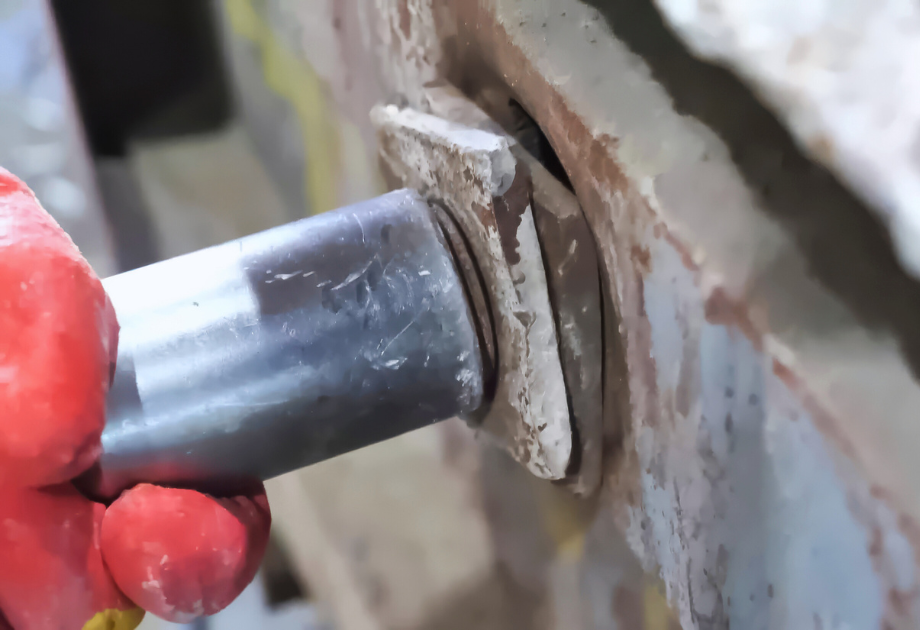
Walkarounds are good practice. But mounting hardware wears down in specific ways that are easy to overlook unless you're checking for them on purpose. These are the spots worth adding to your preventive maintenance routine.
Cracks Around Brackets or Weld Points
Check weld seams for hairline fractures. Look for stress cracks branching out from bolt holes and any separation where brackets meet the frame. These show up gradually and look minor at first, but they mean the metal has been cycling through repeated stress. Cracks at these points spread with every trip. What looks cosmetic today becomes structural next month.
Loose or Missing Mounting Hardware
Check bolt tightness and look for missing fasteners, rust trails below bolt heads, or gaps between mating surfaces. Vibration and load cycling loosen hardware over time; a bolt that's finger-loose now might have been at torque spec six months ago. If a fastener is gone entirely, it sheared off or worked itself free. That means the remaining bolts are carrying more than they were designed for. Daily walkarounds should include the mounting kit pins, locks, and fasteners, not just the forklift and the truck.
Frame Deformation at Mounting Points
When the mounting loads are too much for the truck frame to handle, the frame itself starts to show it. Check where the brackets attach. If the frame rail is bending or bowing near the mounting points, paint is cracking at stress areas, or the contact surfaces look warped, the problem has moved past the mounting hardware and into the truck itself.
Performance Symptoms That Trace Back to Mounting Wear
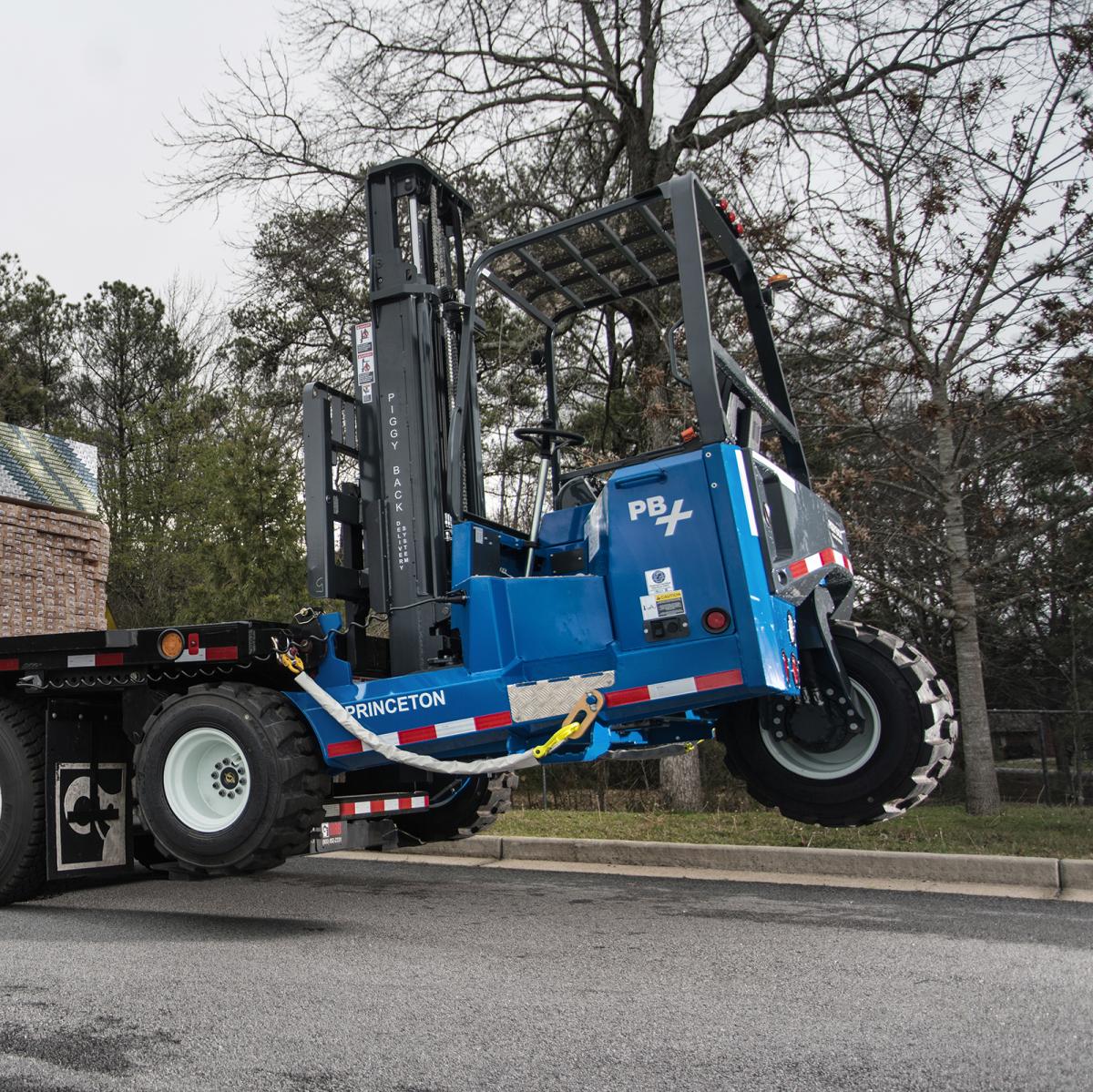
Not every mounting problem is something you can spot during a walkaround. They surface during operation, and they're easy to blame on the truck or the forklift individually. But the real source is often the mounting interface. These symptoms are worth a closer look, especially alongside other signs your forklift may need attention.
Mounting or Dismounting Takes More Effort Than It Used To
If operators are forcing the Piggyback into position or compensating with extra maneuvering, that's an early sign. Brackets may have shifted, pins may not line up cleanly, or the geometry has changed from frame flex. This one sneaks up on you because the change is gradual.
Unusual Noise or Vibration During Travel
Rattling, clunking, or vibration from the rear during transport is worth paying attention to. The usual culprits are loose hardware, worn contact surfaces, or low hydraulic pressure. Your Piggyback's weight should be held against the mounting kit under hydraulic pressure while you drive. The safety chains aren't designed to carry that load on their own. When pressure drops, the forklift shifts, and that movement wears on both machines at once. A lot of drivers write this off as road noise. It usually isn't.
The Forklift Doesn't Sit Right When Mounted
If the Piggyback looks tilted, shifted, or uneven in the travel position, the mounting geometry has changed. Could be bracket deformation, frame flex, or worn contact points. A forklift that doesn't sit square throws off load distribution during travel. That wears the mounting hardware, the truck frame, and the forklift all at the same time. If you can see it, it's already doing damage.
What Happens When Mounting Wear Goes Unchecked
When something doesn't look or feel right, it's tempting to wait for the next scheduled service. But mounting problems don't hold steady. They compound.
Damage Spreads to Both the Truck and the Forklift
This is where waiting gets expensive. A worn mounting system pushes stress into the truck frame at the bracket attachment points. That leads to frame cracks, rail deformation, and fatigue over time. The forklift takes a hit, too. Shifting and vibration during transport wear down the frame, mast alignment, and hydraulic components. You're not dealing with one piece of equipment here. You're dealing with two, and a single mounting problem can cause damage to both.
Safety and DOT Compliance Risks
FMCSA 49 CFR Part 393 sets the rules for how equipment like piggyback forklifts must be secured during transport. A DOT inspector can flag a vehicle for visible wear, loose hardware, or compromised mounting integrity. On the road, a system that allows shifting puts the driver, other vehicles, and anyone near the truck at risk. OSHA reports roughly 85 forklift-related fatalities and 34,900 serious injuries in the U.S. each year. Not all of those tie back to mounting systems, but the numbers show why proper forklift maintenance and securement matter.
The Cost Gap Between Early Service and System Failure
The math is pretty clear. Between equipment damage, emergency repairs, and lost uptime, every $1 of skipped maintenance can turn into $4 to $7 down the line. Unplanned downtime alone runs $448 to $760 per day for a single commercial truck. A mounting system inspection is a fraction of what a bracket failure or frame crack costs when both machines need work.
What a Professional Inspection Finds That Walkarounds Miss
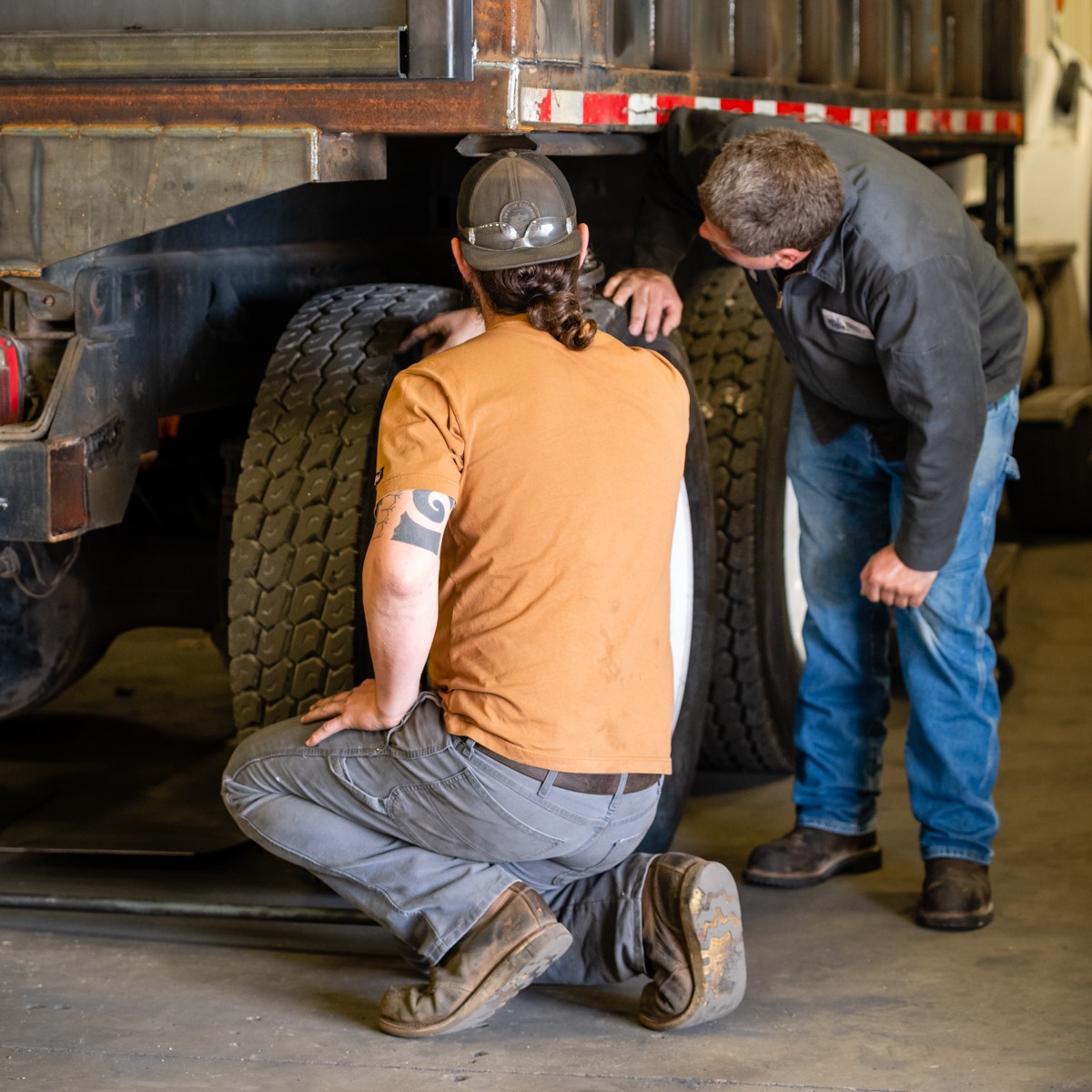
Walkarounds catch what's obvious: a missing bolt, a visible crack, a burned-out light. That's what they're for. But there's a whole category of wear they aren't built to find:
- Bolt torque degradation
- Weld micro-cracking under paint
- Stress patterns developing inside brackets
- Subtle frame deformation at mounting points
- Hydraulic pressure loss that lets the forklift shift over time
A trained technician gets deeper into the system. They're checking torque values, looking at welds at the structural level, testing hydraulic securement pressure, and going over the frame at every contact point. When a check turns up something that doesn't look right, the standard practice is to pull the forklift from service and have it inspected by a qualified tech.
If your Piggyback has seen heavy use or rough conditions, or you've noticed any of the signs in this guide, professional inspection is the right call.
Schedule a Mounting System Inspection with Beamer's Piggyback
At Beamer's, we work on both the truck and the Piggyback. Our inspections cover the full system: frame condition at the mounting points, bracket and hardware integrity, how the forklift sits on the mount, and hydraulic securement. We see the whole picture because we service both machines.
Catching wear early protects both pieces of equipment and keeps your truck compliant and road-ready. If you've noticed anything in this guide, or it's been a while since your last inspection, bring it in.
Contact our team to schedule your inspection at our Cincinnati shop.