
How to Know If a Reconditioned Forklift Is Worth the Investment
How to Know If a Reconditioned Forklift Is Worth the Investment
(2).jpg)
A reconditioned forklift with fresh paint and new decals looks ready to work and costs a lot less than new. And sometimes it is. But "reconditioned" isn't a regulated term. Neither is "refurbished" or "remanufactured." One shop uses the word after tearing a machine down to bare steel and rebuilding it part by part. Another uses it after hosing the unit off and hitting it with a rattle can. Both could call it reconditioned. Both could price it like they did the work.
You won't know which machine you bought until something breaks on a job site that shouldn't have. Here's how to make sure that doesn't happen to you.
What Should "Reconditioned" Actually Mean?
A proper reconditioning starts with the machine stripped to the bare frame. Everything comes off so the shop can see exactly what it's working with. That teardown-to-frame process is what separates a rebuild from a cleanup.
Once the frame is bare, every system gets attention:
- All wearable and consumable parts replaced
- Every hydraulic hose swapped
- Engine, transmission, and hydraulic system inspected individually. Anything that doesn't pass gets rebuilt or replaced
- Frame sandblasted, painted, reassembled, and tested before it ships
Every unit comes in with its own wear history, too. A forklift with 8,000 hours in a warehouse needs different attention than one that spent years mounted to a truck bed. The listing won't tell you which one you're looking at. The work behind it will.
Red Flags That Tell You It Wasn't
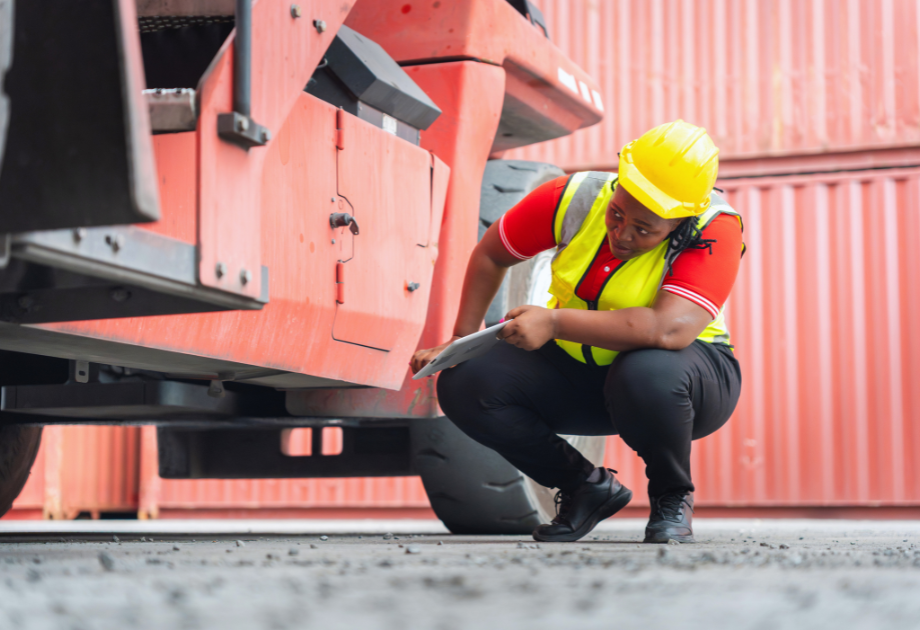
A few things should raise your guard when you're looking at a reconditioned unit:
- Fresh paint over old parts. Paint is cheap. Rebuilds aren't. If the outside looks brand new but the hoses and fittings underneath show their age, the work stopped at the surface.
- No parts lists or inspection records. A shop that tore a machine apart and rebuilt it has paperwork from the process. If the seller can't hand it over, ask yourself why.
- Vague answers about the process. A shop that rebuilt the machine knows every part it touched. Generalities are filler where specifics should be.
- No warranty. A shop that trusts its work puts that in writing. One that won't is telling you everything you need to know.
What Does It Cost Compared to New?
New forklifts run anywhere from $20,000 to $50,000 or more, depending on the model and setup. Reconditioned costs a lot less. But a lower price tag on a bad rebuild just means you're paying for the repairs later.
A forklift that went through a full rebuild can run 10,000 hours or more. That's the industry benchmark for a well-maintained machine. And because the wear parts and hydraulics are all starting fresh, maintenance costs in the early years track close to new. That's what a thorough reconditioning buys you. A bad one? You'll know before the first year is over.
There's something else that affects the price of new machines right now. The EPA passed new rules for heavy-duty vehicles and engines. Starting January 1, 2027, new machines have to meet stricter standards. That makes them more expensive to build, and those costs get passed on to the buyer. Reconditioned forklifts were already built before any of that kicked in. So the price difference between new and reconditioned is only going to grow.
Is It the Right Fit for Your Fleet?
.jpg)
So is reconditioned the right call for your fleet? It depends on how you're using it. If you need a second forklift for a couple days a week, reconditioned gives you a solid machine at a price that makes sense for the role. If it's going to be your only machine running six days a week, new might be worth it. You get a factory warranty and zero hours on the clock.
Where the machine works plays into that decision, too. A truck-mounted forklift takes road vibration and mounting stress on every trip. Add weather and different terrain at every stop, and the wear adds up fast. Those conditions change what the reconditioning needs to cover, and not every Piggyback setup handles them the same way.
There's also lead time to think about. New orders can take 10 to 12 weeks or longer. Reconditioned units are usually ready sooner. Take a look at what's available now to see what's ready to ship.
What to Ask Before You Write the Check
A few good questions will tell you pretty quickly whether a seller actually did the work. Start with the process: was the unit torn down to the frame, or was the work done around what was already there? What parts were replaced, and can you see the list? Were all hydraulic hoses swapped? Is there an inspection report?
Then get into the warranty. What does it cover, and how long does it last? A shop that trusts its work puts that in writing.
Also ask how many hours are on the unit since reconditioning. And ask what post-sale support looks like if something comes up down the road. That last answer tells you whether you're buying a machine or buying into a shop that'll stand behind it.
Find the Right Forklift for Your Operation with Beamer's Piggyback
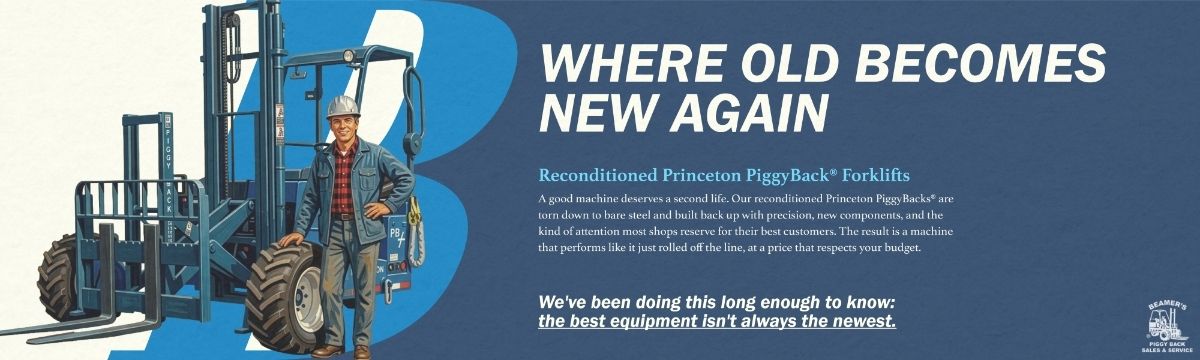
Beamer's Piggyback does everything we just talked about. Every reconditioned Princeton PiggyBack® that leaves our shop went through the full process. Torn down to the frame. Rebuilt with new parts. Tested and backed by a team that stays available after the sale.
Get in touch with our team to get the conversation started.
A good machine deserves a second life. The best equipment isn't always the newest.