
Flatbed vs. Stake Bed: Which One's Better for Your Fleet?
Flatbed vs. Stake Bed: Which One's Better for Your Fleet?
.jpg)
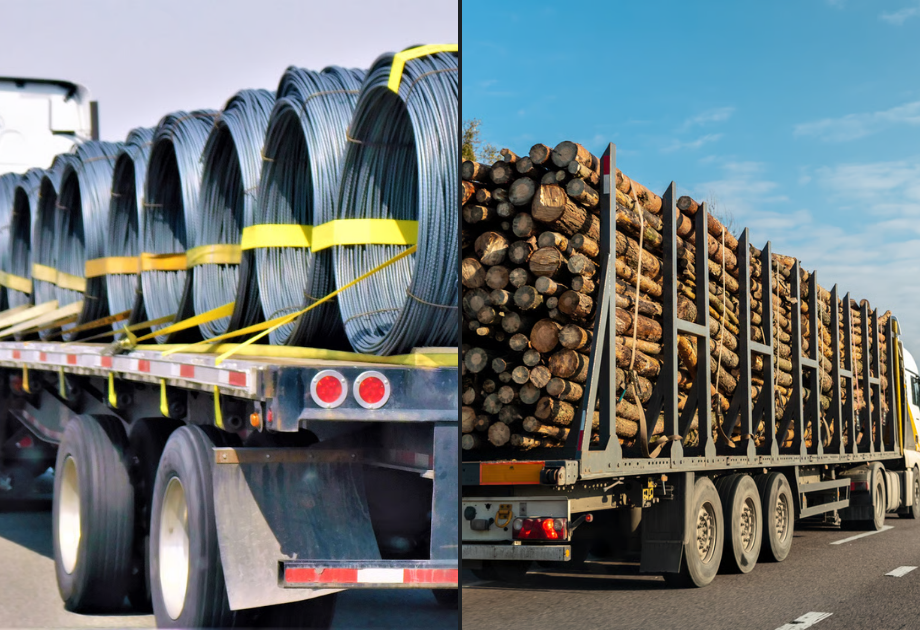
A flatbed truck gives you a wide-open deck with no sides. A stake truck adds removable posts and panels for partial containment. Most buyers already know that much. The harder part is figuring out which one costs less to live with. The wrong bed eats into your payload, your crew's time, and your per-trip margins. None of that shows up on the spec sheet.
This blog compares the two configurations, helps you figure out which one fits your operation, and covers what to do when neither stock option checks every box.
How Each Bed Handles the Work
| Flatbed | Stake Bed | |
| Load Access | Open from all sides and above. Best for operations using forklifts, cranes, or loaders. | Containment keeps material on the deck during transit. Removable panels allow side access when needed. |
| Payload | Lighter bed means more usable capacity per trip. Aluminum or hybrid builds save even more weight. | Racks add weight (~85 lbs./ft of bed length), but containment allows higher stacking for loose or top-heavy cargo. |
| Securement | No sidewall containment. Every load needs full external tie-downs: straps, chains, binders, D-rings. | Side panels add lateral protection and reduce strapping time for contained loads. FMCSA still requires straps and chains. |
Which Bed Fits Your Operation?
Answer these based on your most common load days, not the occasional exception.
Do your loads need crane or forklift access from the side? Yes → Flatbed. Side panels get in the way of equipment that needs a clear approach.
Are you hauling loose material that shifts without containment? Yes → Stake bed. The posts and panels keep mulch, sod, bagged goods, and short lumber on the deck.
Does your crew pull stakes on and off more than once a day? Yes → That's a sign the stakes are slowing you down. A flatbed with a removable side system may be a better fit.
Do your load types change with the season or the division? Yes → Neither stock option will cover everything. A custom build lets you run staked, open, or partial depending on the job.
Is payload capacity a top priority? Yes → Flatbed. Racks add roughly 85 lbs. per foot of bed length, and that weight comes straight out of your usable capacity.
If you landed on a clean answer above, the next section will confirm it. If you're still torn, that's normal. Keep reading.
Which Industries Lean Which Way (and Why)
The right bed depends on what the truck does every day. Here's where most operations land:
- Construction and heavy equipment: Flatbed. Oversized and irregular loads need full side and overhead access for cranes and forklifts. Trying to work around racks with a steel beam on the hook is nobody's idea of a good time.
- Landscaping and building supply: Stake bed. Loose materials like mulch, sod, and bagged goods benefit from containment. Crews use the stakes as edge barriers when climbing on and off the bed.
- Local and regional delivery: Stake bed or hybrid. Palletized product on multi-stop routes needs containment in transit. Removable sides add flexibility when load types change stop to stop.
- General hauling and mixed-use fleets: This is where the decision gets harder. Fleets running different load types across seasons often need one truck that can handle both. When the operation doesn't fit one category, the answer probably isn't sitting on a dealer lot.
If your crew runs truck-mounted forklifts, full side access is usually non-negotiable. That pushes most piggyback operations toward a flatbed or a custom setup with removable sides. Fleets that swap configurations mid-route also need to think about securement. When the stakes come off, your tie-down setup needs to cover a fully open deck.
When the Answer Isn't on the Lot
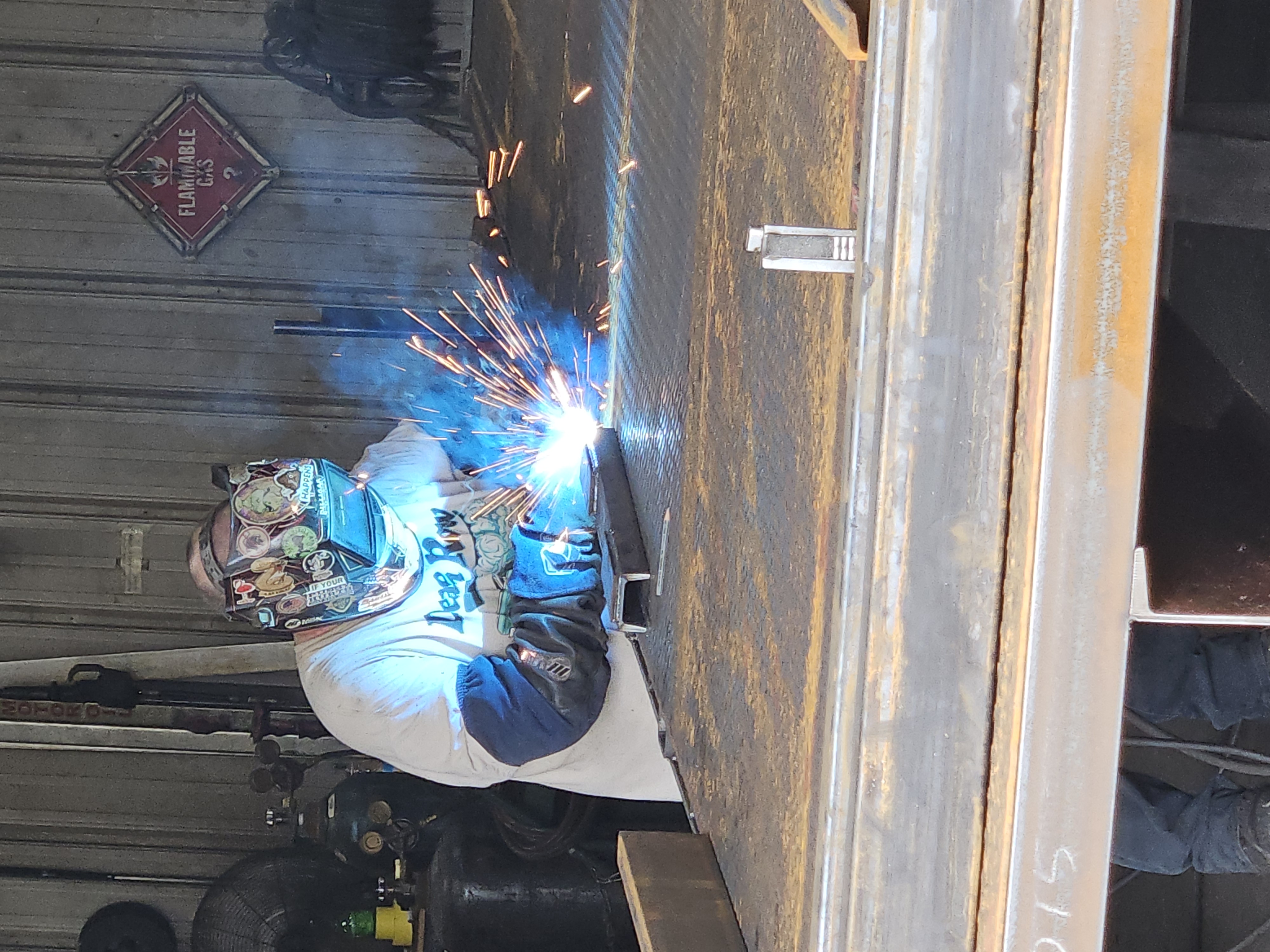
If your operation spans multiple load types, the flatbed-vs-stake-bed question may not have a clean winner. That's where custom flatbed fabrication steps in.
A purpose-built custom flatbed starts with the layout your crew actually needs. Integrated stake pockets let the truck run staked or open depending on the job. Removable side systems add containment when you need it. Tailored tie-down points hold the load no matter which way the truck is set up. Beamer's Truck Bodies builds these decks on steel frames with 3/16-inch floors. From there, the team adds underbody toolboxes, work lights, and material racks that cut loading time.
Growing fleets get another advantage from custom builds. Design the flatbed to accept stake racks, liftgates, or specialized mounts from the start. That way, you can move the truck between divisions without re-bodying it. The build starts with how the truck gets used. Not with what's sitting on a lot.
Start Your Build with Beamer's Piggyback
The right bed configuration depends on the work. The best way to get it right is to work with a team that understands both the equipment and the operation.
At Beamer's, we help fleet managers and truck owners figure out what their truck needs to do before speccing what goes on the frame. Our Beamer's Truck Bodies team has built enough of these to know what holds up and what doesn't.
Ready to spec a bed that fits your fleet? Contact our team to start the conversation.