
7 Things to Check Before Starting a Truck That's Been Sitting for Months
7 Things to Check Before Starting a Truck That's Been Sitting for Months
.jpg)
How long can a truck sit before you can't just turn the key and go?
Not very long, as it turns out. A few months parked is enough for the fuel to turn, the battery to die, and the brakes to seize up. Some of that you can catch yourself before you start it. Some of it you can't.
That's the trap: a truck that sat might look fine until you start it. But when you turn the key, that can pull bad fuel into the injectors or short out on a chewed wire before you ever knew there was a problem. So you want to check first, before you crank.
Here are seven things to look at, in the order you'd walk the truck. This is for a unit that sat months, not years.
1. Battery and Charge
A battery that sits will go dead on you. Leave it long enough and it won't bounce back, even on a charger, because the plates inside crust over once it's been drained a while.
Check it before you crank. Look at the terminals for corrosion and the case for cracks. Then put a multimeter on it. Below 12.4 volts it's on its way out. You want to see 12.6.
A dead battery isn't just a no-start. Cranking on a weak one beats up the starter. If the voltage is low, put a new battery in before you turn the key.
2. Fuel
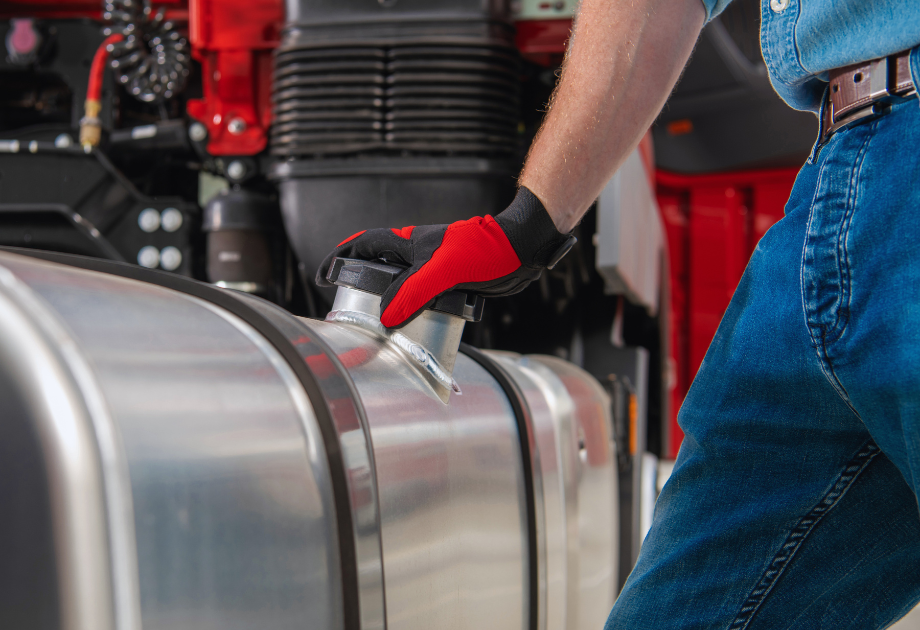
Diesel goes bad sitting in the tank. Untreated, it starts to turn in 6 to 12 months. Even treated fuel only buys you 18 to 24 months. So, the first thing to figure out is how long this truck has actually been parked.
Old fuel in the tank isn't really the problem. The problem is what gets pulled forward when you start. Water builds up from condensation, and that water grows the sludge they call diesel algae. Crank it and the pump draws all of that into the injectors and the high-pressure system. That's how a tank of bad fuel turns into an injector or pump job that costs you thousands of dollars.
Check the water separator and the fuel filter. Cloudy fuel, a separated layer, or water sitting in there all tell you not to trust it yet.
3. Fluids (Oil and Coolant)
Oil and coolant go bad sitting, the same as the fuel does. All those months of hot days and cold nights pull moisture into the engine, and it works its way down into the oil. Coolant has its own problem and can break down or separate over a long sit.
Read them before they circulate. Pull the dipstick. If the oil looks milky or foamy, water got in, and you don't want that pumping through the engine. Check the coolant for sediment, off color, or separation while you're there, and make sure both are topped to where they should be.
Bad oil does its damage in the first minute of running, so you want to catch it on the dipstick before it ever circulates.
4. Rodent and Visual Damage
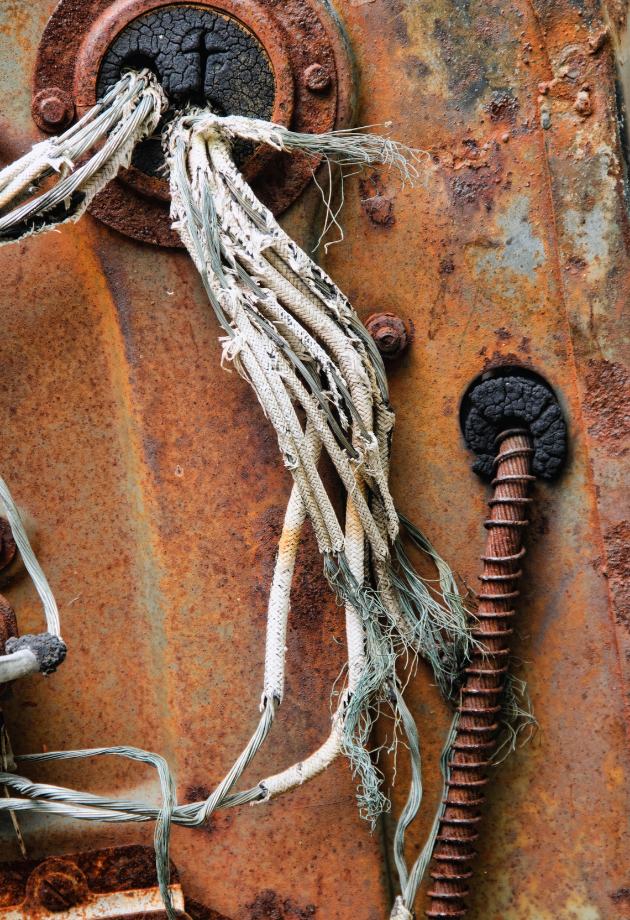
A parked truck is a nest waiting to happen. Rodents chew to keep their teeth down, and a quiet engine bay is a good warm spot to set up. Check the engine bay, the battery box, and the cab for droppings, shredded insulation, chewed hoses, and gnawed wire.
A chewed wire is why this belongs on the list. Bare wire shorts the second the system gets power. A gnawed injector wire can short on startup and take the ECM with it, turning a small wire splice into a control module that costs thousands of dollars. Find it before you give the truck power. A short you catch first is a five-minute fix.
5. Tires (Flat-Spotting and Dry Rot)
Park a loaded truck in one spot for months and the weight presses a flat spot where the tire meets the ground. The question is whether it's temporary or permanent. A temporary spot warms out in the first few miles. A permanent one stays, and that comes down to the weight, the heat, the time, and how low the pressure got.
Check the air, because tires bleed down sitting. Look the sidewalls and treads over for the cracking that means dry rot. A tire that's flat-spotted and low builds heat fast once it rolls, and it'll chew up the shoulder.
One honest limit: belt separation from a permanent flat spot happens inside the tire, so it won't always show on the outside.
6. Brakes
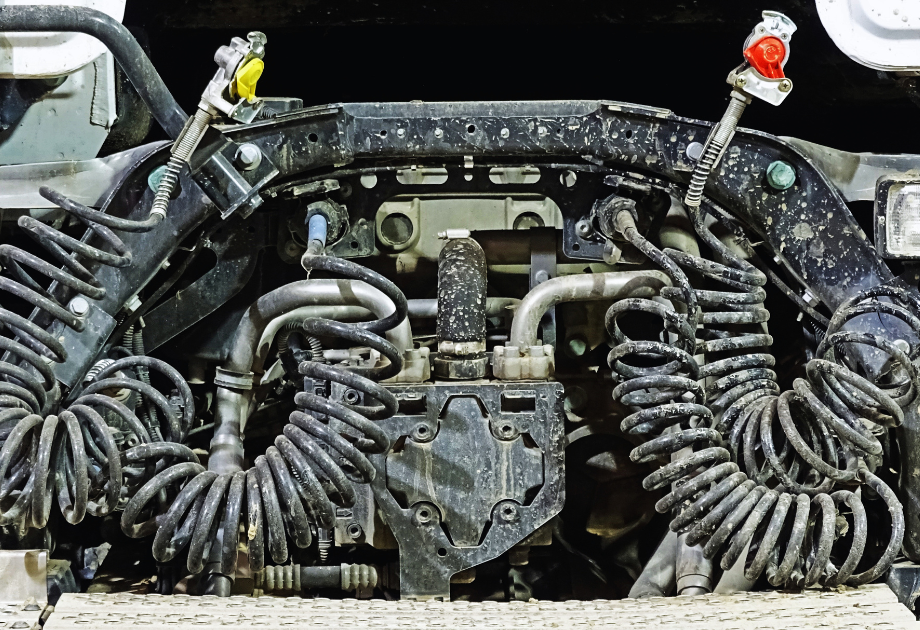
Sitting is hard on air brakes, and it gets them three different ways.
The first one you can spot. The drums rust while the truck sits, and if it sits long enough the shoes rust right onto the drum, so the brake won't come loose clean when you go to move.
The second one stays hidden. Inside the assembly, a seized S-cam or a rusted slack adjuster binds up where you can't see it, and the brake either stays locked or won't grab the way it should.
The third one you can test for. The air system leaks down while it sits, so charge the tanks, hold the service brake, and watch the gauge for a minute. A big pressure drop means you've got a leak. That test checks the air, but it tells you nothing about a seized cam, and a brake that grabs wrong once you're rolling is the kind of thing you find out about too late.
You can clear the rust and run the air test yourself, but there's no way to check the cam from outside, so get a brake inspection before you run it.
7. DEF and Emissions
Diesel exhaust fluid, or DEF, goes bad sitting too, and like the seized cam, you can't see it happen. DEF is mostly water, but about a third of it is a compound called urea. When the truck sits, the water evaporates and the urea left behind hardens into white crystals. A half-empty tank makes it worse, and so does heat over about 86 degrees.
Those crystals clog the DEF lines, plug the injectors, and cake the sensors the system runs on. The truck throws codes, lights up the dash, and cuts your power right when you need to move. Start it up that way and you're not getting a clean run, you're getting a repair bill.
Get It Inspected Before You Run It with Beamer's Piggyback
Most of this you can check yourself. The battery, the fuel, the fluids, the tires, the rodent damage, all of it you can run down in the yard with a multimeter and a good look. Even the brakes are partly on you, between the rust and the air test.
What you can't see is the seized cam and the crystals in the DEF system. Those hide inside the truck, and that's the work we do every day. We've pulled rust-welded shoes off drums and cleared DEF crystals out of plugged lines. If something on your walkaround didn't look right, or you want the parts you couldn't reach checked before this truck hauls a load, get it inspected before you run it.